“When baby boomers plan real estate strategies to design their lives after retirement, they shouldn’..

“When baby boomers plan real estate strategies to design their lives after retirement, they shouldn’t follow the same generation of strategies. You can read future trends only when you look at the market from your mid-30s eye level, when you are actively buying real estate. You have to buy a property that your daughters like to be successful.”
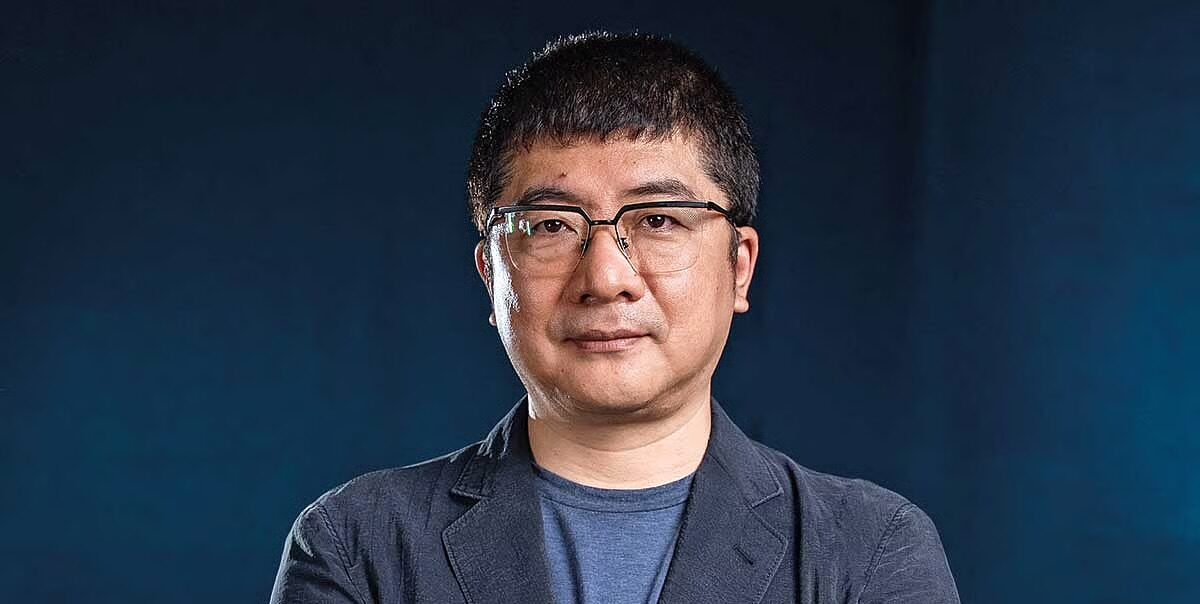
At the nation’s largest commercial bank, a real estate expert with a lot of fine bones has reached retirement age. Park Won-gap, a senior expert at KB Kookmin Bank’s WM Star Advisory Group, who has advised real estate for half his life, is the main character.
After serving as a representative of a private real estate information company, he joined Kookmin Bank as a “signboard star” for real estate investment advisory in 2011. He was born in 1965 and is one of the second baby boomers (born in 1964-1974). At the end of last month, he entered the second act of his life after retirement at the age of 60.
The core of Park’s advice for retirees of the second baby boomers of the same age, which he met on the 9th, is summed up with the words, “Contains real estate assets preferred by women in their mid-30s.” Investment in rural housing or rural forests that are less preferred by young people should be avoided.
“We need to plan investment strategies with the eyes of women in their mid-30s who prefer residential convenience like apartments in the city,” Park said. “The smartest way for baby boomers not to make investment mistakes is to follow the desires of the next generation.”
He then ordered a “hybrid” investment strategy that combines financial assets such as stocks in real estate. Member Park emphasized, “In the past, there were building owners on the creator, but these days, there are dividend stocks on the creator.”
In other words, times have changed. “It was the dream of the baby boomers in the past to receive monthly rent through real estate, but now the business district has changed and the risk of vacancy has increased due to non-face-to-face consumption,” Park said. “Now is no longer an era of ‘all-in’ on real estate, and it has become essential to prepare for old age by mixing real estate with financial assets.”
“The more highly educated retirees are, the more financial illiterate they are, because baby boomers have been blind to real estate investment,” he said. “Now is the time to increase financial and financial intelligence to live.”
He also hinted at the need to find jobs as an extension of his work after retirement. Securing competitiveness in previously working areas is a realistic alternative to retirement design.
Although Park has also reached retirement age, he will continue his banking business through a separate contract. Education seminars and counseling work will continue. In the banking sector, which has a strong conservative culture, it is extremely rare for employees who are not executives to extend their employment contracts beyond the retirement age.
It was recognized for its competitiveness as a sign of Kookmin Bank. In the future, he plans to focus on writing books with advice for retirees.
What is the outlook for the real estate market under the new government. “The local economy will go through a process of passing through the bottom, and if the three-stage stress total debt repayment ratio (DSR) regulation is implemented in July, the metropolitan area will suffer a direct hit and slow down,” he said. “This year, the real estate market will be in a ‘high load’ phase.”
Regarding the real estate policy prescription in the future, he pointed out, “Demand control measures such as loan regulations and designation of regulatory areas that delay the demand for housing in Seoul so that it does not gather all at once,” adding, “We should use a tweezers-type two-track strategy to reduce acquisition tax or some holding tax in the moribund provinces.”
[Reporter Kim Jung Hwan]
link